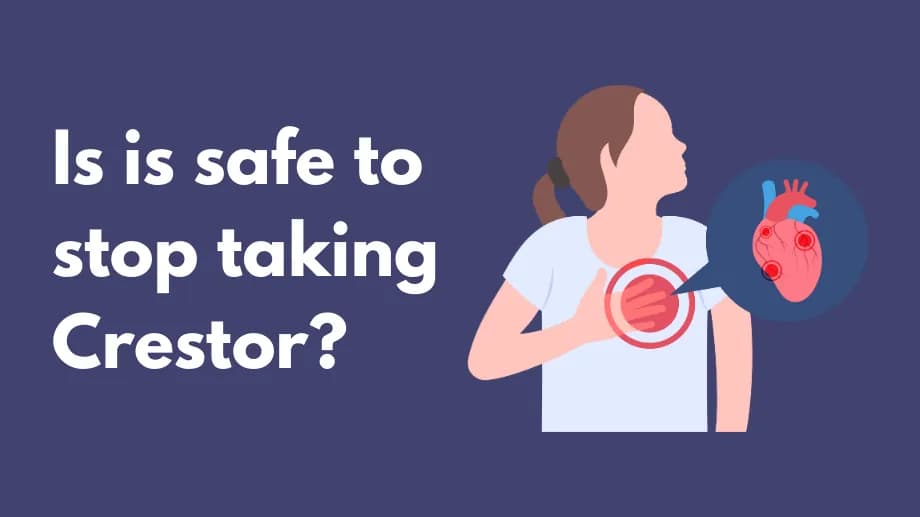
Do crestor side effects go away?
Crestor (rosuvastatin) is a statin used to lower LDL cholesterol, raise HDL cholesterol, and reduce triglycerides. Like all medications, it can cause side effects—some mild and transient, others more serious.
Shop Medications
Mild side effects
- Headache, nausea, constipation: Often appear within the first days of therapy and resolve within 1–2 weeks as the body adjusts.
- Muscle aches and joint pain: May persist during treatment. If they occur, discuss with your provider; they usually improve within 1–2 weeks after stopping Crestor.
- Elevated blood sugar, rash, dizziness: Generally transient and clear in a few weeks.
Serious side effects
- Allergic reactions (hives, throat swelling): Require immediate ER attention.
- Myopathy/rhabdomyolysis: Presents as unexplained muscle weakness, tenderness, dark urine. Usually begins to resolve days after discontinuation but may take longer.
- Liver injury: Symptoms include jaundice, abdominal pain, dark urine. Can become permanent; monitoring liver enzymes is recommended.
- Cognitive impairment: Memory loss or confusion have been reported; these effects typically clear within ~3 weeks after stopping.
Impact of dose
Higher Crestor doses (20 mg) are associated with a greater incidence of side effects compared to lower doses (10 mg). Your risk also depends on age, liver/kidney function, and co‑medications.
Who should avoid Crestor?
- Active liver disease or persistent transaminase elevations
- Severe kidney impairment
- Untreated hypothyroidism
- Pregnancy or breastfeeding
- Concomitant use of interacting drugs (e.g., gemfibrozil, certain antivirals, niacin)
- Heavy alcohol use
- Asian descent may require lower starting dose
When to seek help
If mild side effects persist beyond a few weeks, or if you experience muscle pain, dark urine, jaundice, or cognitive changes, contact your healthcare provider immediately.
Why Pay Full Price?
Search our full medication catalogue and save up to 80% - no insurance needed.
See Prices NowSources
- Crestor (rosuvastatin) tablet, film coated [package insert]. AstraZeneca. Last updated 7/2024. Accessed Apr 25, 2025.